
Many apps include guided workout plans tailored to various fitness levels and goals. Some even offer adventure-style activities, where users can “travel” through virtual landscapes or complete storyline-based missions. For example, running apps like Nike Run Club incorporate audio-guided runs that feel like adventures, adding excitement to the workout. Many apps track steps and encourage users to participate in daily or weekly step challenges. By competing on leaderboards, users can see how they rank against friends or the community, adding a sense of friendly competition that drives consistency.
Social Components
Third party apps are software programs that serve to expand the utility of mobile devices. Within just 6 years, Apple celebrated its 50 billionth app download, with Google only trailing slightly behind with 48 billion as of May 2013 [14]. This new market of software apps for Apple alone has resulted in over US $9 billion being paid to developers [14]. Health apps have also become a part of this market, with over 31,000 health and medical apps available for download [2].
COMBAT – Physical MasteryBuild strength and power through tailored training.
Whilst a trackable planner is not something new to fitness apps, the simplicity in Ladder’s approach to this is why the app works so well – keeping you consistent & accountable on the way to reaching your fitness goals. Many apps and devices incorporate social features that allow users to connect, compete, and motivate each other. The app also offers a segment feature, where users can compete against others on specific routes. This competitive aspect, combined with rewards and badges, keeps users motivated and engaged in their fitness journey.
Solo X Player Leveling Workout
Whether it’s a hardcore competition or a place to connect with and support your community, these apps promote interactions with other users. This approach brings creativity and variety to workouts, transforming them into enjoyable, interactive experiences. But for day-to-day fitness, you don’t need the latest health-tracking hardware, which can set you back hundreds of dollars.
Members might earn special recognition for participating in charity fitness events, local races, or gym anniversary celebrations. The proportions of applications that used gamification both overall and by each targeted behavior, as well as the frequency of different gamification design elements, were tabulated. Data were publicly available and deemed exempt from review by the University of Pennsylvania Institutional Review Board. Wearable fitness devices are also jumping on the gamification bandwagon, offering features that encourage users to stay active throughout the day.
Why we’re seeing game mechanics in everyday apps
The Fit app obscures this data behind unnecessarily complicated bar graphs and charts. This activity could range from playing VR games to simply walking, and any movement counts. You’re invited to prioritize any type of movement https://www.reddit.com/r/loseit/comments/1qacs4q/best_exercise_app/ you merely enjoy for the challenge, then have some sweet loot as a reward.
Cement your legacy with unlockable badges, achievement milestones, and competitive rankings across all realms.
Apps represent a very promising, burgeoning market and landscape in which to disseminate health behavior change interventions. Initial results show an abundant use of gamification in health and fitness apps, which necessitates the in-depth study and evaluation of the potential of gamification to change health behaviors. Developers and health practitioners trying to influence behavior change and health outcomes should consider comprehensive integration of behavioral theory, independent of whether or not games or gamification is used. However, gamification may be an effective means of targeting motivational components, and games may be effective at triggering individuals and increasing popularity of apps.
Train in Reality & Win in the World
- In conclusion, gamification in fitness apps has the power to transform the user experience by making fitness more engaging, interactive, and rewarding.
- Your Hop, a tree spirit, wanders the forest looking for building materials such as wood, stone, and rare rubies.
- By promoting group challenges and social sharing, brands can build a vibrant community while increasing customer engagement and loyalty.
- For businesses seeking to enhance member engagement through proven methods, mobile apps for fitness businesses provide immediate value and measurable results.
- The social aspect of gamification makes fitness more engaging and helps create a supportive community for users.
- By tapping into the brain’s reward centers, gamification makes each workout feel gratifying, leading to more frequent and enjoyable exercise habits.
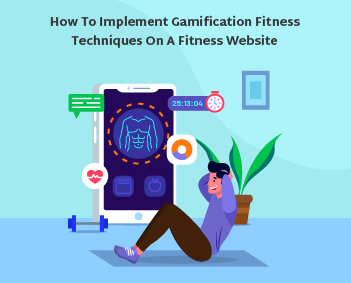
One key aspect that has been increasingly integrated into fitness apps is gamification. Gamification refers to the use of game-design elements and principles to motivate and engage users. When implemented effectively, gamification can transform the user experience, making fitness more fun, interactive, and rewarding.
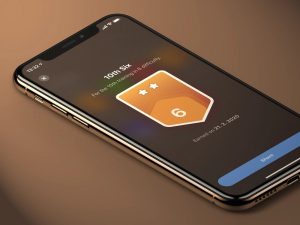
This sense of camaraderie and friendly competition not only motivates users to push their limits but also creates a supportive fitness community that shares a common goal of staying active and healthy. In this article, we’ll explore how games like «Pokémon GO» and «Ring Fit Adventure» have set the trend by combining gaming with physical movement. These titles motivate players to get active through challenges, rewards, and friendly competition, proving that exercise can be both effective and fun. Users can track their progress, set personal records, and receive virtual trophies for milestones achieved. Nike Run Club’s social features, such as sharing runs with friends and participating in global challenges, further enhance the sense of community and accountability. By turning your movements into XP, coins, or some other loot, these gamified fitness apps encourage your instinct to win in the best way—by motivating you to get active.
Where can I find more information about Infitnite’s terms and policies?
In large part there has been little effort for ensuring quality in commercial health and fitness apps or establishing effective and meaningful criteria for using gamification. In fact, the current success of health games is measured in revenue generation, not behavioral metrics [20,33,34]. Much research on gamification and health to date has focused on exergames, or games that require the individual to be physically active while playing the game [35]. Gaming consoles like the Nintendo Wii or Xbox Kinect have used interactive sensors to allow for more integrated types of game play that were not before possible [17,34].
New to the game? No problem. Step-by-step quests teach you how to master both the Fitness and Game Apps with ease.
Behavioral Change Tracking measures how gamification affects member patterns. Look for increased class variety (members trying new activities), improved consistency (fewer gaps between visits), and extended session durations. Maybe you’d prefer joining Photon, Captain Marvel and Ms. Marvel as an agent of S.H.I.E.L.D.? Those are just a couple of the scenarios Marvel writers like Tini Howard, Meghan Fitzmartin, Alex Acks, and Matt Wieteska have laid out to motivate users to walk, run and sprint. Each of the Marvel Fitness Adventures takes the listener through a multi-chapter story, immersing you in the comic book world of Thor, the Incredible Hulk and the X-Men among others. So to remove the guesswork, we’ve broken down our favourite apps for Running, Cycling, Gym Training, Yoga, and our favourite all-rounder.
Design:
They expertly leverage these principles to design gamification elements that tap into fundamental human drives and motivations, such as the desire for achievement, the need for social interaction, and the pursuit of personal growth. This scientific approach ensures that their gamification techniques are not just fun but also psychologically effective. Among the 50 applications, 64.0% used gamification but none were designed leveraging principles from behavioral economics. Gamification was used in 100.0% of the 22 applications that primarily targeted either physical activity or weight loss, but much lower for other behaviors such as tracking reproductive health and sleep (Table 1). These track your activity but also offer badges for PRs and other progress milestones, and create challenges with live leaderboards to spur action.
Connect with her at and / Instagram /LuxeListReports / Twitter /LuxeListReports / Facebook /LuxeListReports / LinkedIN /in/MerileeKern. What better way to reflect the popularity of casual games than to get a little casual workout in. Pushups are a simple compound exercise you can do just about anywhere, and they’re a good reflection of general fitness.
