
Understanding the Psychological Traps of Gambling What You Need to Know
The Allure of Gambling: Understanding the Basics
Gambling has long been a popular pastime, drawing people in with the promise of excitement and potential rewards. This allure can sometimes lead individuals to seek alternative options, such as casinos not on gamstop, which might offer a sense of freedom. At its core, gambling appeals to various psychological needs, including the desire for thrill and the hope of financial gain. However, it is essential to recognize that gambling is inherently risky, and many individuals become trapped in a cycle of dependency, often leading to negative life consequences.
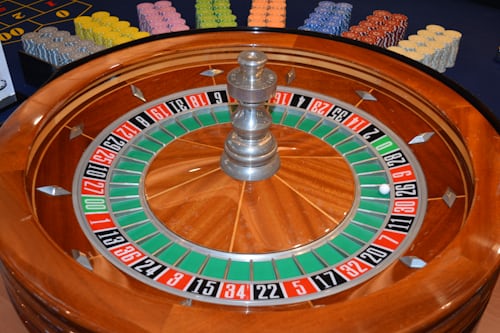
The emotional highs experienced during gambling can create a powerful lure. Players often feel an adrenaline rush, particularly when they believe they are on a winning streak. This sense of excitement can cloud judgment, making it difficult to recognize the risks involved. Understanding these psychological elements is crucial for anyone engaging in gambling activities.
The Role of Luck vs. Skill in Gambling
A common misconception among gamblers is that skill plays a significant role in all forms of gambling. While certain games, like poker, do involve strategy and skill, many other gambling forms, such as slot machines, are purely based on chance. This misunderstanding can lead players to overestimate their abilities, resulting in risky bets and significant losses.
The belief in luck can also create a false sense of control, where players think that certain strategies can influence random outcomes. This fallacy often leads individuals to chase losses, attempting to recover their bets with increasing stakes. Recognizing the difference between skill-based and luck-based games is vital for making informed decisions in gambling.
The Gambler’s Fallacy: Misjudging Probabilities
The Gambler’s Fallacy is a psychological trap that causes individuals to believe that past events can influence future outcomes in random games. For example, if a coin toss has resulted in heads multiple times, a person may wrongly conclude that tails is «due» to occur. This misjudgment can lead to irrational betting behavior, as players assume they can predict future results based on historical data.
Understanding the Gambler’s Fallacy can help individuals approach gambling with a clearer mindset. Awareness of this cognitive bias allows players to make more rational decisions, reducing the likelihood of chasing losses and engaging in risky gambling behavior.
Addiction and Its Psychological Effects
Gambling addiction can have devastating effects on an individual’s mental health, relationships, and financial stability. The psychological traps that lure individuals into gambling can lead to a cycle of dependency, where the need to gamble outweighs all other considerations. This often results in severe emotional distress, anxiety, and depression.
Support systems and professional help are critical for individuals struggling with gambling addiction. Understanding the psychological triggers behind the addiction is the first step toward recovery. It is essential for individuals to recognize that help is available and that they are not alone in their struggle.

Join Us in Raising Awareness
At our platform, we are committed to promoting awareness about the psychological aspects of gambling and the potential risks associated with it. Our goal is to provide valuable information and resources that empower individuals to make informed decisions about gambling. We believe that understanding these psychological traps is essential for fostering a healthier relationship with gambling.
We invite you to explore our content and join us in educating others about the psychological impacts of gambling. Together, we can create a more informed community that recognizes the importance of awareness and responsibility in gambling activities.
